
Tie-Ins, Shutdowns and Workpack Readiness in Brownfield Projects
Most brownfield projects reach a moment when new equipment must connect to the existing plant. Those connections, known as tie-ins, often require part or all of the facility to stop. Every hour of downtime costs production, so the shutdown scope has to be planned in detail and executed without delay.
This article covers how experienced teams plan tie-ins, prepare shutdown workpacks and confirm readiness before the plant comes down.
What Is a Tie-In?
A tie-in is the physical point where new work connects to an existing system. It may be a piping weld onto a live header, a new branch connection, an electrical termination in existing switchgear or an instrument loop added to the control system.
Some tie-ins can be made while the plant runs, for example using hot tapping on suitable piping. Many others need the system to be isolated, drained, purged and made safe first.
Build a Tie-In Register Early
The tie-in register is the master list of every connection between new and existing plant. For each tie-in it should record:
- Location, line number or equipment tag, and drawing reference.
- Type of connection and method, such as weld, flange, hot tap or electrical termination.
- Whether it needs a shutdown, a system isolation or can be done live.
- Isolation points, draining and purging requirements.
- Materials, prefabricated spools and testing requirements.
- Responsible discipline and current status.
Each tie-in should be verified in the field during walkdowns. Many shutdown overruns start with a tie-in that does not match its drawing.
Minimise the Shutdown Scope
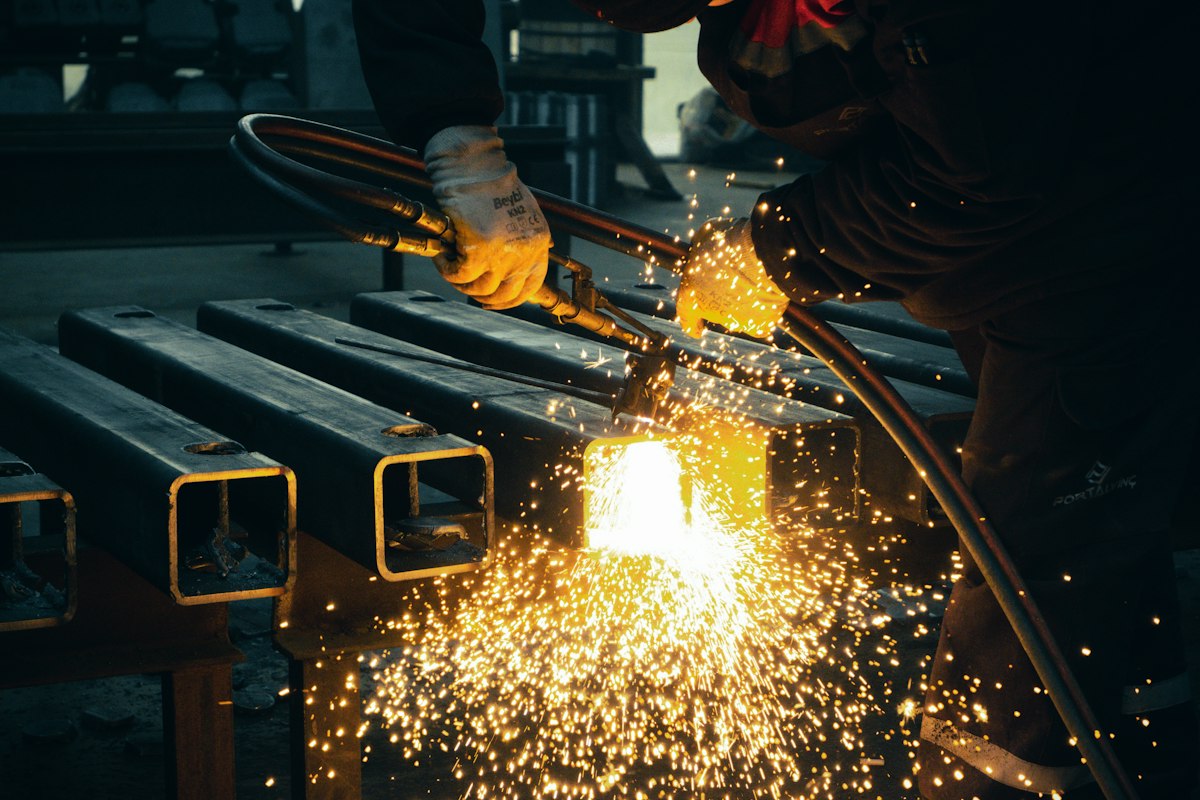
The best shutdown plans move as much work as possible outside the outage. Supports, spools, valves and cable routes are installed beforehand. New systems are tested in advance where possible. The shutdown itself is limited to cutting, final welds or connections, inspection and testing.
Prefabricated spools should be dimensionally checked against site measurements before the shutdown, not during it.
Plan Isolations and Permits Together
Every shutdown task needs a safe system of work. The UK Health and Safety Executive's guidance on permit-to-work systems (HSG250) and on the safe isolation of plant and equipment (HSG253) is widely used as a reference by operators in oil, gas and chemical facilities.
In practice, the workpack should identify each isolation point, the isolation method, who applies and verifies it, and how it will be tested before work starts. Permit requirements for hot work, confined-space entry, lifting and work at height should be listed in the workpack, so permits can be prepared before the shutdown starts.
Sequence the Shutdown Hour by Hour
Shutdown schedules are much more detailed than normal construction schedules. Activities are usually planned in hours, with clear logic for draining, purging, isolation, gas testing, cutting, welding, inspection, testing, de-isolation and restart.
Critical path activities, such as the longest tie-in or the final hydrotest, deserve contingency plans. Teams decide in advance what happens if a weld fails inspection or a spool does not fit.
Run a Formal Readiness Review
Before a shutdown workpack is released, a readiness review confirms that everything is in place. A typical checklist includes:
- Approved drawings and procedures in the package.
- All materials and spools on site, inspected and tagged.
- Scaffolding and access erected and inspected.
- Isolation plans approved by operations.
- Permits prepared and resources confirmed for every shift.
- Inspection and test plans agreed with quality and the client.
Any open item becomes a tracked constraint, following the same logic used in Advanced Work Packaging. Packages with unresolved constraints are held, not released.
Control Changes During Execution
Even well-prepared shutdowns uncover surprises. Field changes should follow a fast but documented process for technical queries and scope variations, so that design integrity and records are maintained under time pressure.
Close Out: Mechanical Completion and Handover
A tie-in is not finished when the last weld is done. Inspection records, test certificates, punch lists, reinstatement of isolations and updated as-built drawings must be completed before the system is handed back to operations. Clean handover documentation protects the plant's records for every future modification.
Develop Shutdown and Tie-In Skills
The Brownfield Project Planning and Workpack Engineering training course covers tie-in planning, shutdown interfaces, permit-to-work and isolation planning, readiness reviews and handover through a single brownfield case study. For broader turnaround leadership, see Advanced Shutdown and Turnaround Management Strategies, or explore our Maintenance Management and Engineering Training Courses.